
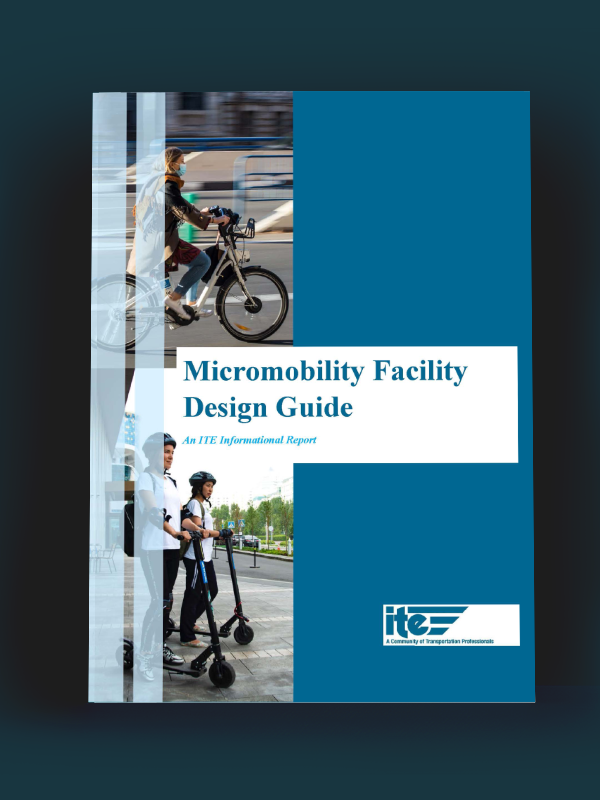
There has been widespread growth of micromobility vehicles in both large cities and small towns. However, these micromobility vehicles use existing right-of-way and transportation infrastructure that was not designed with them in mind. As a direct result of the lack of appropriate guidance on how to design roadways to accommodate the growth in micromobility vehicle use, the Institute of Transportation Engineers (ITE) Pedestrian and Bicycle Standing Committee developed the Micromobility Facility Design Guide Informational Report, which summarizes potential design challenges micromobility users experience as they travel on typical roadways. The report also identifies design solutions with real-world examples to accommodate micromobility. We invite you to explore the full report and continue the conversation with us below.
Looking for more insights?
share this article
Explore More
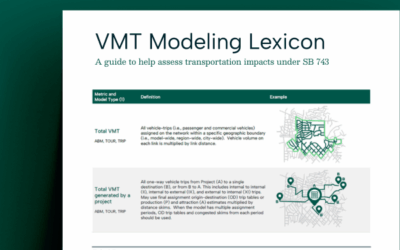
Understanding VMT Metrics: Explore Our Modeling Lexicon
CEQA’s July 1 deadline is swiftly approaching, making it increasingly important to be able to understand and navigate all types of VMT calculations. Our new quick-reference VMT lexicon makes that easier. Explore it now here.

Navigating Long-Term Transit: Planning in an Uncertain Time
We’re partnering with the Whatcom Transportation Authority in Bellingham, Washington to plan the long-term future and develop a strategy for restarting transit service, welcoming back riders, and ensuring riders can safely get where they would like to go. See what’s in the works.

A Transformative Data Collection Solution: Responding with Our Research
We’ve completed an independent, third-party validation review of StreetLight Data’s intersection turning movement volume estimates. See what we found!