
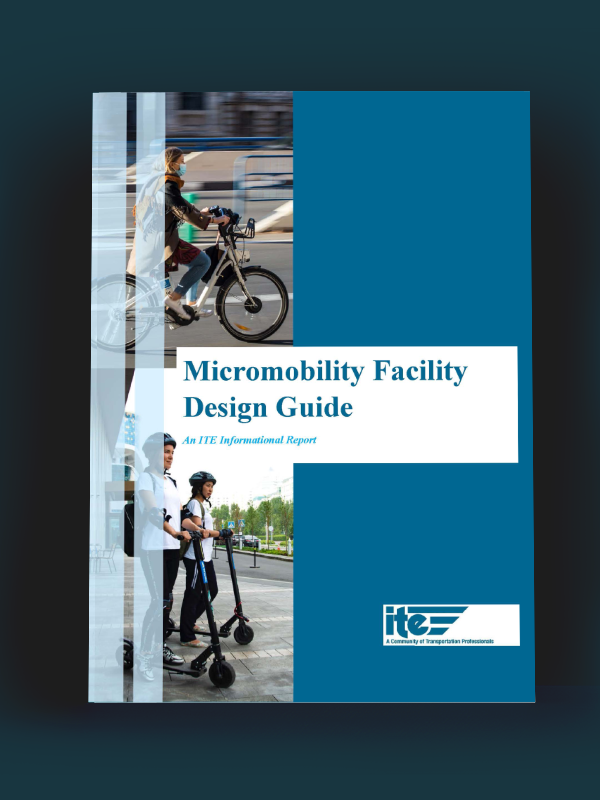
There has been widespread growth of micromobility vehicles in both large cities and small towns. However, these micromobility vehicles use existing right-of-way and transportation infrastructure that was not designed with them in mind. As a direct result of the lack of appropriate guidance on how to design roadways to accommodate the growth in micromobility vehicle use, the Institute of Transportation Engineers (ITE) Pedestrian and Bicycle Standing Committee developed the Micromobility Facility Design Guide Informational Report, which summarizes potential design challenges micromobility users experience as they travel on typical roadways. The report also identifies design solutions with real-world examples to accommodate micromobility. We invite you to explore the full report and continue the conversation with us below.
Looking for more insights?
share this article
Explore More

VMT & GHG Reduction Strategies
Strategies like transit-oriented development, increasing residential density, and improving street connectivity can significantly reduce VMT and GHG emissions, with some measures achieving reductions of up to 31%.

Travel Access as a Key to Equitable Planning
Analyzing travel accessibility measures how well current transportation networks connect us to destinations and exposes potential modal or equity limitations that may be causing difficulties for some users or geographic areas. Learn more and explore our travel access video.
Model Assessment Criteria for CEQA
Agencies should evaluate their models to ensure they provide reliable forecasts and meet CEQA standards for environmental impact analyses.