
CAPCOA Quantifying Greenhouse Gas Mitigation Measures
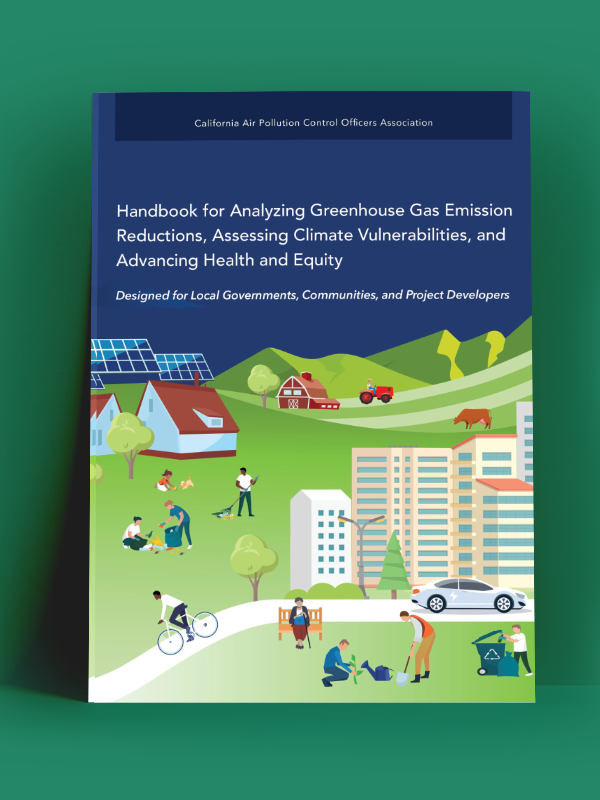
CAPCOA Quantifying Greenhouse Gas Mitigation Measures
Throughout the handbook there are a variety of updates that highlight current issues and strategies. A noteworthy update includes transportation mitigation strategies that have now been broken into two groups: those with sufficient substantial evidence through quantifiable measures and those requiring more evidence to support quantification (further details about the quantitative strategies begin on page 29 of the Handbook).
share this article
Explore More

Prioritizing People in Multimodal Design
Discover how one city is redesigning their streets to make experiencing destinations safer and more enjoyable, and how their process and design typology can be adapted to streets across the US.

Quantifying VMT Reduction
How can transportation agencies reduce overall vehicle miles traveled and still generate revenue? In a recent study, we evaluated the impact of making transit free of charge compared to implementing a VMT tax and whether the costs for travelers is equitable.

Achieving Freight Greenhouse Gas Goals
Available guidance for agencies to gather an accurate picture of current freight activity is limited. Check out how this community defined their baseline in four steps to be able to evaluate freight zero emission zones as a strategy for meeting new climate and environmental policy goals.