
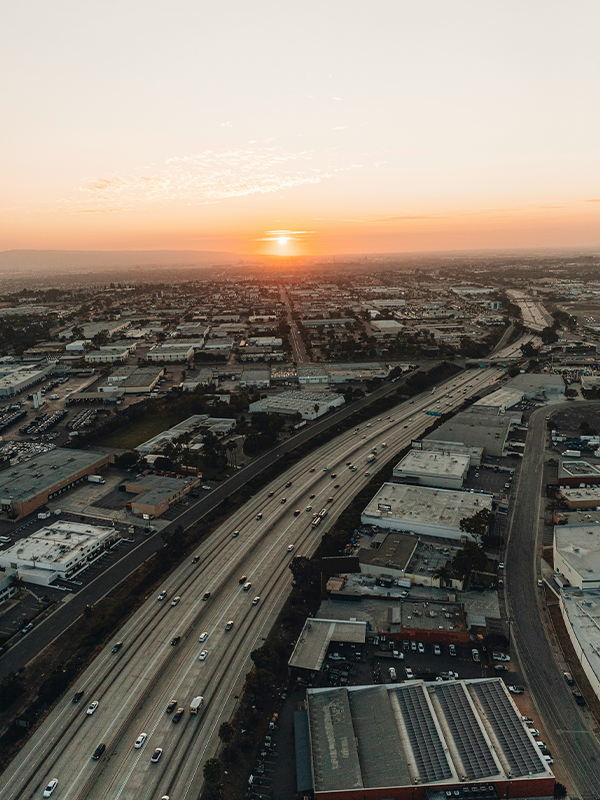
Long Beach Office
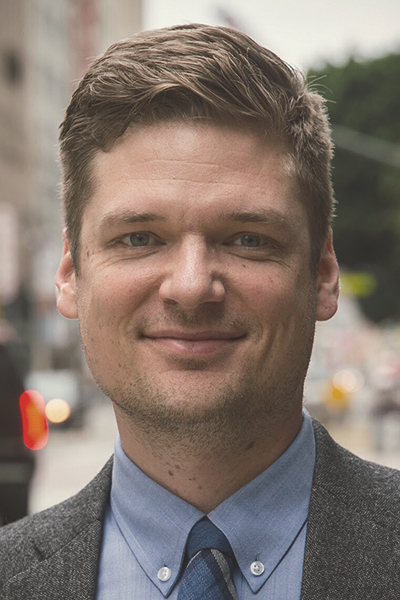
Michael Kennedy, AICP, LEED AP
Long Beach Office Leader
Michael is a Principal with Fehr & Peers. He maintains a broad practice area, working hands on with public and private sector clients for environmental impact analyses, campus planning, parking, transit corridors and service planning and first/last mile station area planning and design. Michael worked closely with Long Beach Transit as the project manager for the Ridership Growth Action Plan, and has worked in the South Bay for over a decade.
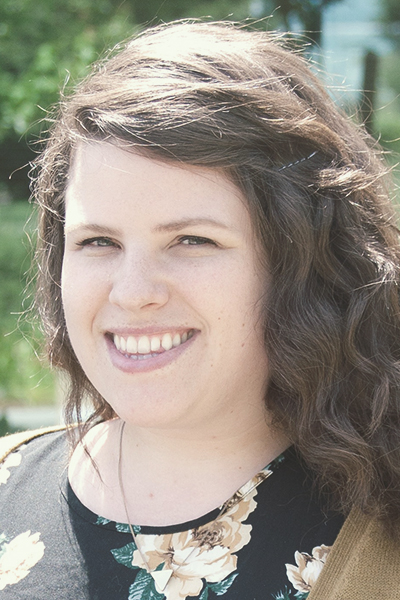
Emily Finkel
Long Beach Operations Manager
Emily is a transportation planner with experience ranging from travel demand modeling to active transportation planning, and has worked in communities throughout the South Bay, including Hawthorne, Carson, Redondo Beach, and Gardena. Emily serves as the companywide lead for systemic safety, heading up technical analysis and action plan development in support of Vision Zero and other systemic safety planning efforts for clients throughout California.
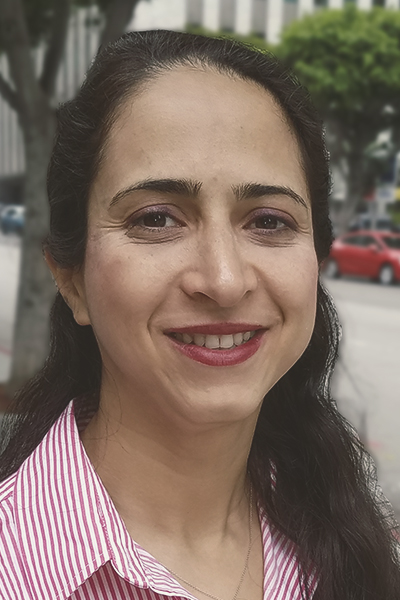
Fatemeh Ranaiefar, PHD
Companywide Freight Lead
Fatemeh leads the freight technical group at Fehr & Peers. She specializes in freight transportation modeling, developing performance measures, and decision support tools for prioritizing projects. Fatemeh received her PhD in transportation science from UCI and enjoys teaching special topics at USC. She serves on the TRB Urban Freight Transportation Committee and Freight Modeling and Logistic Committee.
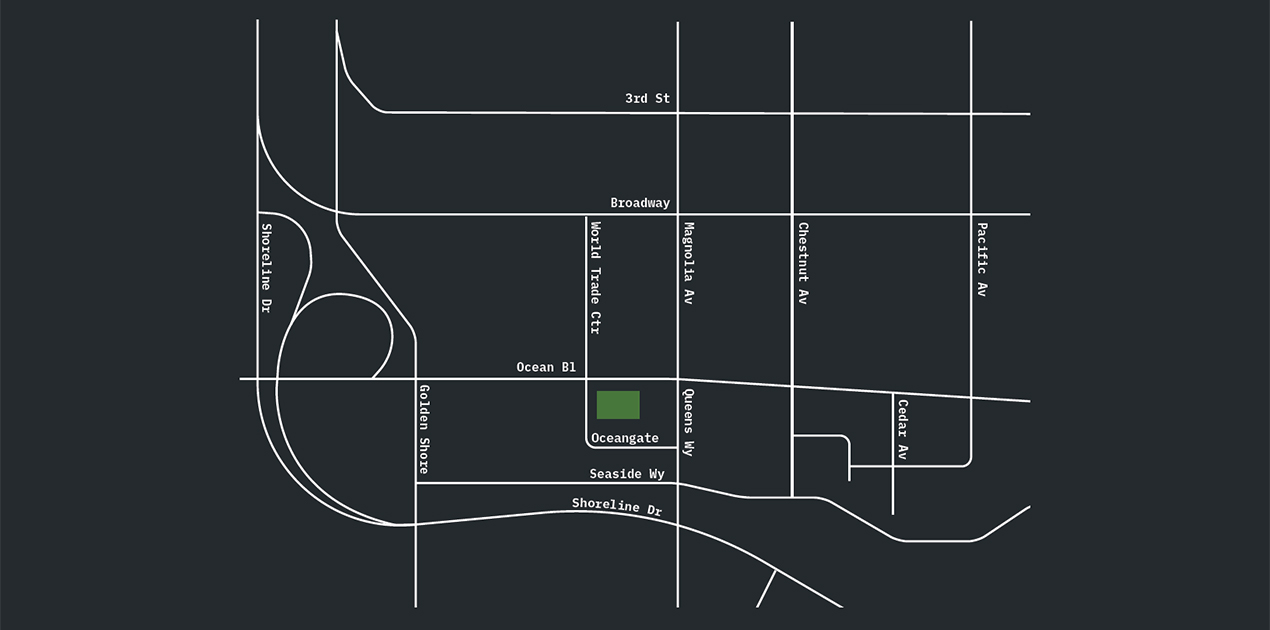
Where you can find us.
100 Oceangate, Suite 550
Long Beach, CA 90802
562.294.5848
share this article
Explore More
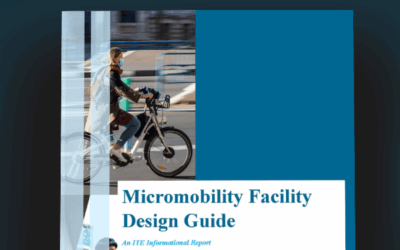
Growth in Micromobility
The Institute of Transportation Engineers (ITE) Pedestrian and Bicycle Standing Committee developed the Micromobility Facility Design Guide Informational Report, which summarizes potential design challenges micromobility users experience as they travel on typical roadways.
2021 Staff Promotions
As part of the Fehr & Peers culture of empowerment, we congratulate over 130 team members on earning promotions and feature 44 individuals achieving step-level promotions effective July 1.
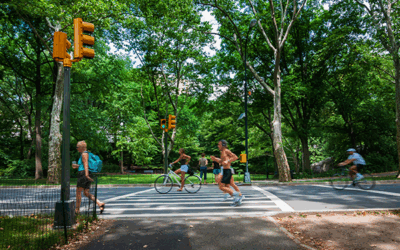
Safer Today, Stronger Tomorrow
What happens when the safety goals for now and the goals for the future are in conflict? A people-focused Safe System approach considers vulnerabilities today and in the future. Recently adopted as a priority by agencies such as FHWA, Caltrans, the City of Philadelphia, and the Washington State Department of Transportation, safe system is a traffic safety framework emphasizing shared responsibility and a proactive approach where death and serious injury are recognized as unacceptable costs of travel on our roads.