
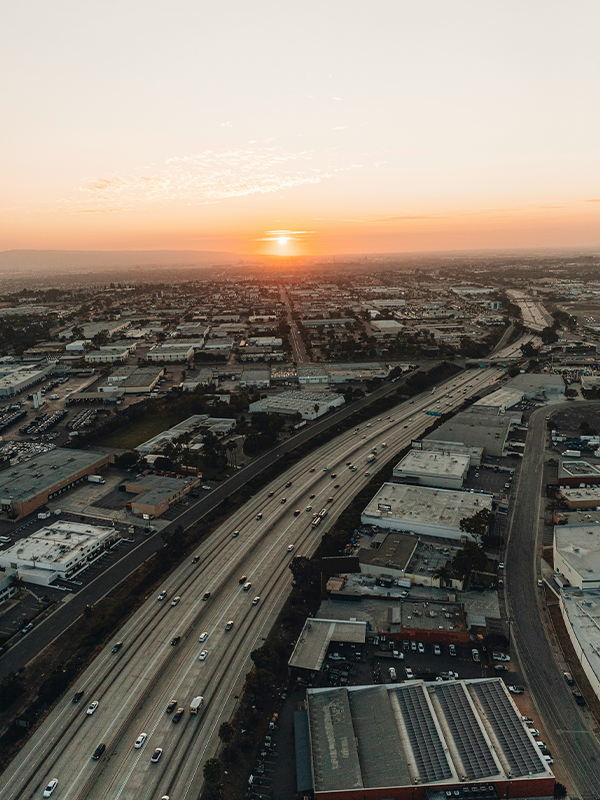
Long Beach Office
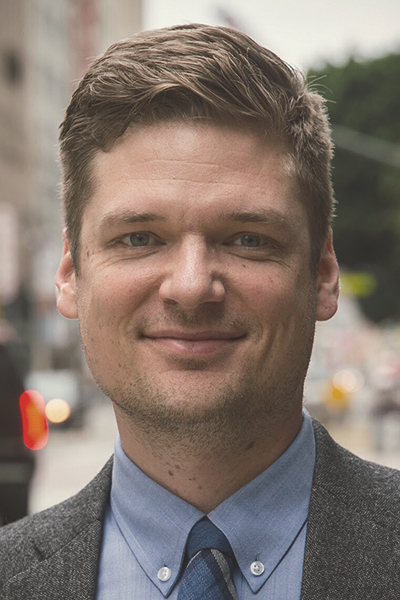
Michael Kennedy, AICP, LEED AP
Long Beach Office Leader
Michael is a Principal with Fehr & Peers. He maintains a broad practice area, working hands on with public and private sector clients for environmental impact analyses, campus planning, parking, transit corridors and service planning and first/last mile station area planning and design. Michael worked closely with Long Beach Transit as the project manager for the Ridership Growth Action Plan, and has worked in the South Bay for over a decade.
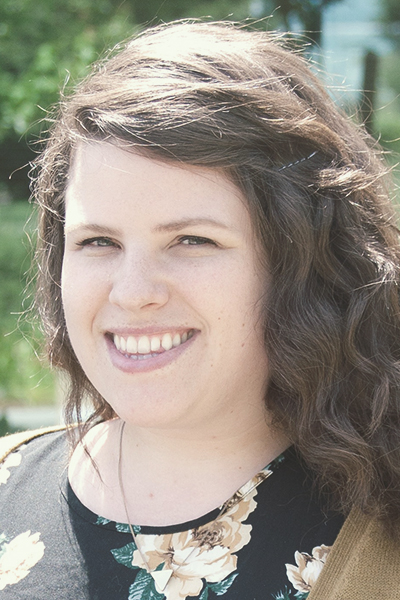
Emily Finkel
Long Beach Operations Manager
Emily is a transportation planner with experience ranging from travel demand modeling to active transportation planning, and has worked in communities throughout the South Bay, including Hawthorne, Carson, Redondo Beach, and Gardena. Emily serves as the companywide lead for systemic safety, heading up technical analysis and action plan development in support of Vision Zero and other systemic safety planning efforts for clients throughout California.
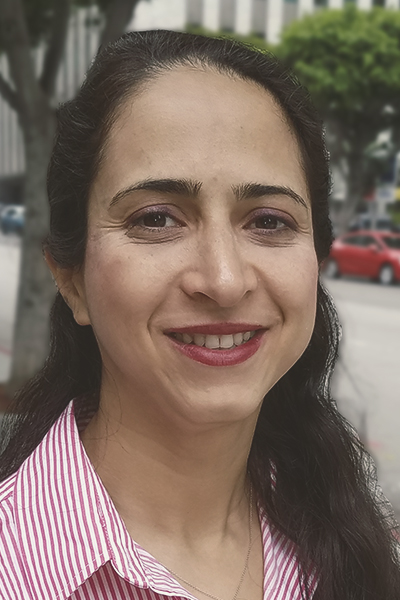
Fatemeh Ranaiefar, PHD
Companywide Freight Lead
Fatemeh leads the freight technical group at Fehr & Peers. She specializes in freight transportation modeling, developing performance measures, and decision support tools for prioritizing projects. Fatemeh received her PhD in transportation science from UCI and enjoys teaching special topics at USC. She serves on the TRB Urban Freight Transportation Committee and Freight Modeling and Logistic Committee.
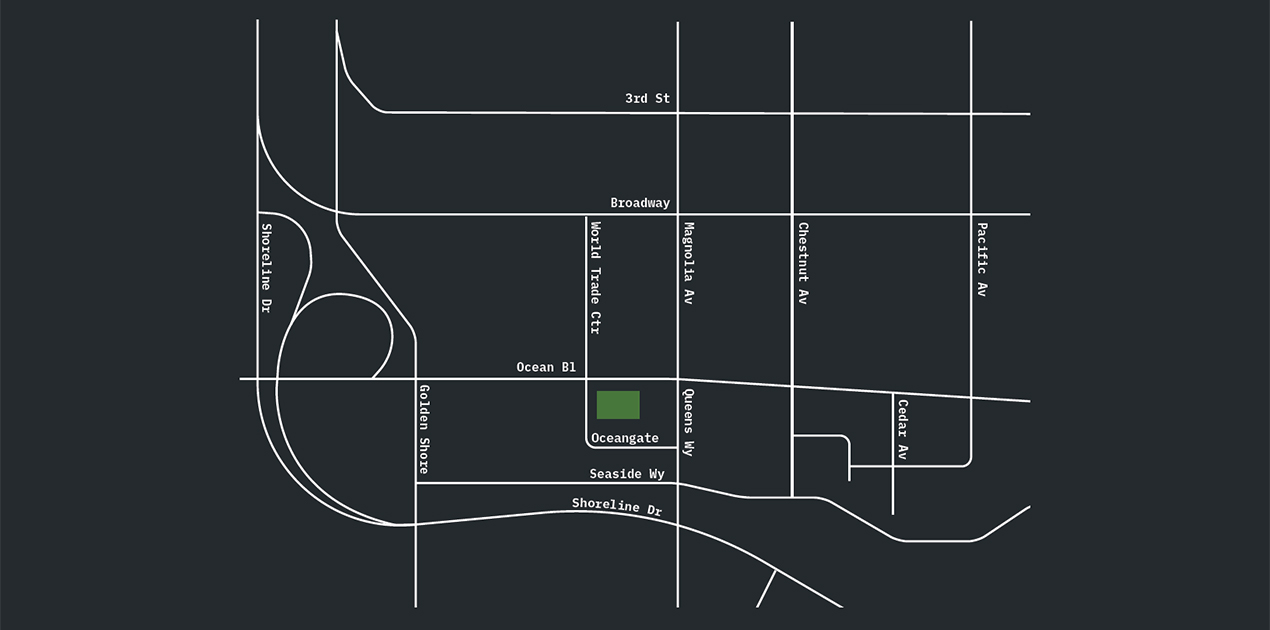
Where you can find us.
100 Oceangate, Suite 550
Long Beach, CA 90802
562.294.5848
share this article
Explore More
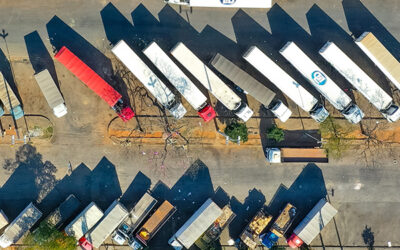
Bans & The Truck Parking Crisis
Learn about the collaborative efforts underway to ensure 1.4 million commercial truck drivers are granted safe and secure stops along their routes.

How Does VMT Move the Needle on Decarbonization?
Decarbonizing transportation requires more than cleaner vehicles—it also means driving less. This post explores how reducing vehicle miles traveled (VMT) supports climate action goals, what strategies are most effective, and where planners can make the biggest impact.
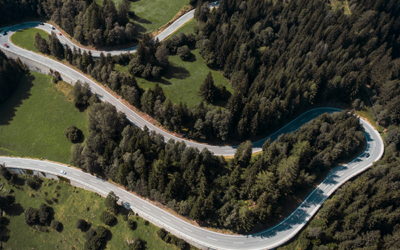
The Road Less Traveled
Learn about our solutions that provide simple, effective, and scalable options to bridge the gap between expectations and resource constraints in rural transportation planning.