

Long Beach Office
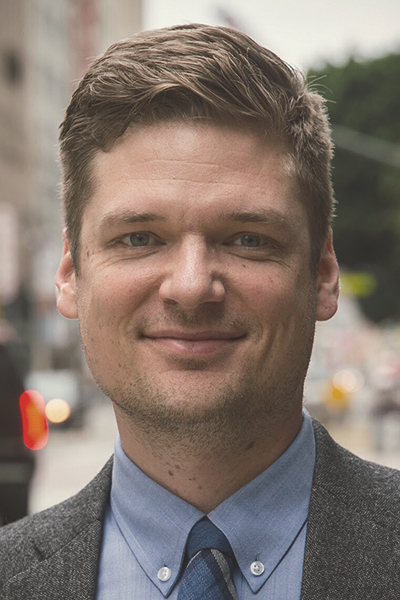
Michael Kennedy, AICP, LEED AP
Long Beach Office Leader
Michael is a Principal with Fehr & Peers. He maintains a broad practice area, working hands on with public and private sector clients for environmental impact analyses, campus planning, parking, transit corridors and service planning and first/last mile station area planning and design. Michael worked closely with Long Beach Transit as the project manager for the Ridership Growth Action Plan, and has worked in the South Bay for over a decade.

Emily Finkel
Long Beach Operations Manager
Emily is a transportation planner with experience ranging from travel demand modeling to active transportation planning, and has worked in communities throughout the South Bay, including Hawthorne, Carson, Redondo Beach, and Gardena. Emily serves as the companywide lead for systemic safety, heading up technical analysis and action plan development in support of Vision Zero and other systemic safety planning efforts for clients throughout California.
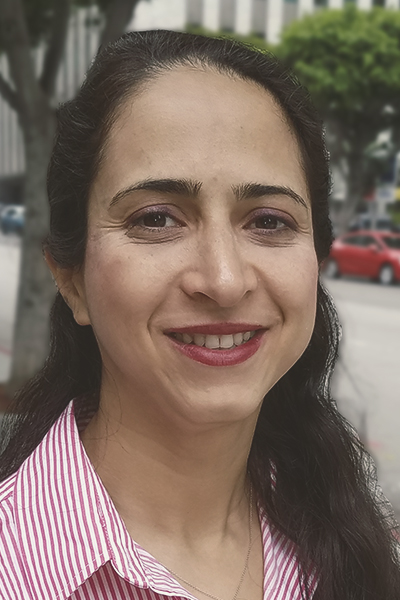
Fatemeh Ranaiefar, PHD
Companywide Freight Lead
Fatemeh leads the freight technical group at Fehr & Peers. She specializes in freight transportation modeling, developing performance measures, and decision support tools for prioritizing projects. Fatemeh received her PhD in transportation science from UCI and enjoys teaching special topics at USC. She serves on the TRB Urban Freight Transportation Committee and Freight Modeling and Logistic Committee.
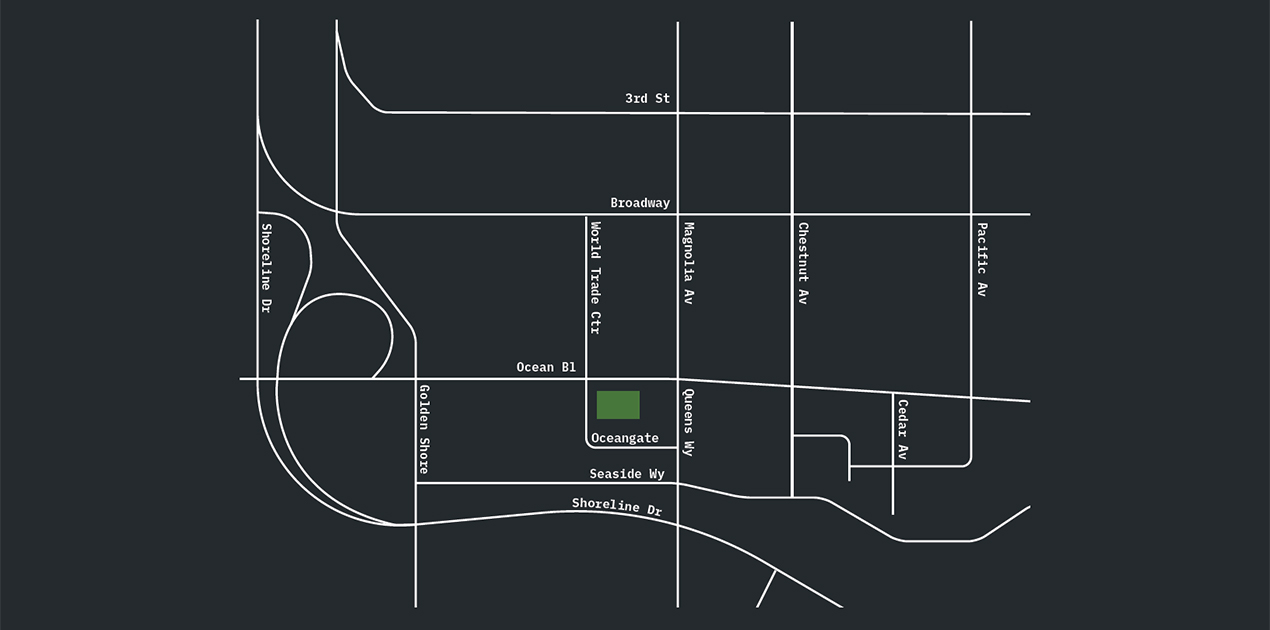
Where you can find us.
100 Oceangate, Suite 550
Long Beach, CA 90802
562.294.5848
share this article
Explore More
Intern Perspectives: A Summer in Transportation
What does a transportation internship actually look like? This summer, 25 interns across 14 of our offices gained hands-on experience with fieldwork, street design, GIS, data analysis, visual communication, client work, and community engagement. See what they learned, what surprised them, and how the experience shaped the way they think about careers in transportation.
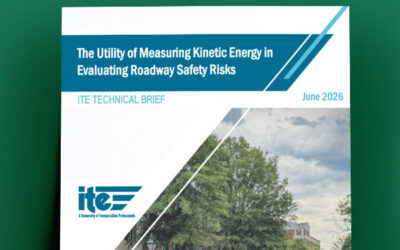
Looking at Street Safety Through the Lens of Kinetic Energy
This ITE Technical brief explores how kinetic energy can add another dimension to roadway safety analysis, helping practitioners consider where conditions for serious harm may exist even before severe crash patterns emerge.
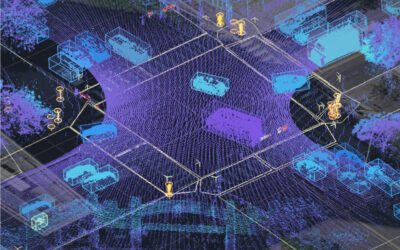
Understanding AI’s Role in Transportation Safety
AI is giving transportation safety practitioners new ways to analyze data, detect near misses, and respond to risk before crashes happen. Real-world examples from Bellevue, WA and San Bernardino, CA show where AI-supported technology is delivering value—and where human judgment remains essential for turning data into responsible safety decisions.