by Fehr and Peers | Aug 27, 2026 | Resources
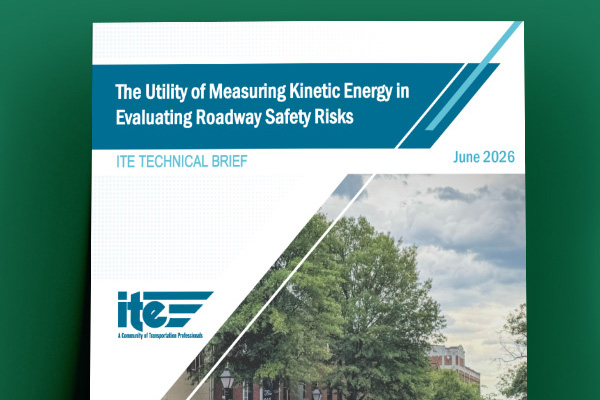
This ITE Technical brief explores how kinetic energy can add another dimension to roadway safety analysis, helping practitioners consider where conditions for serious harm may exist even before severe crash patterns emerge.
by Fehr and Peers | Aug 20, 2026 | Insights
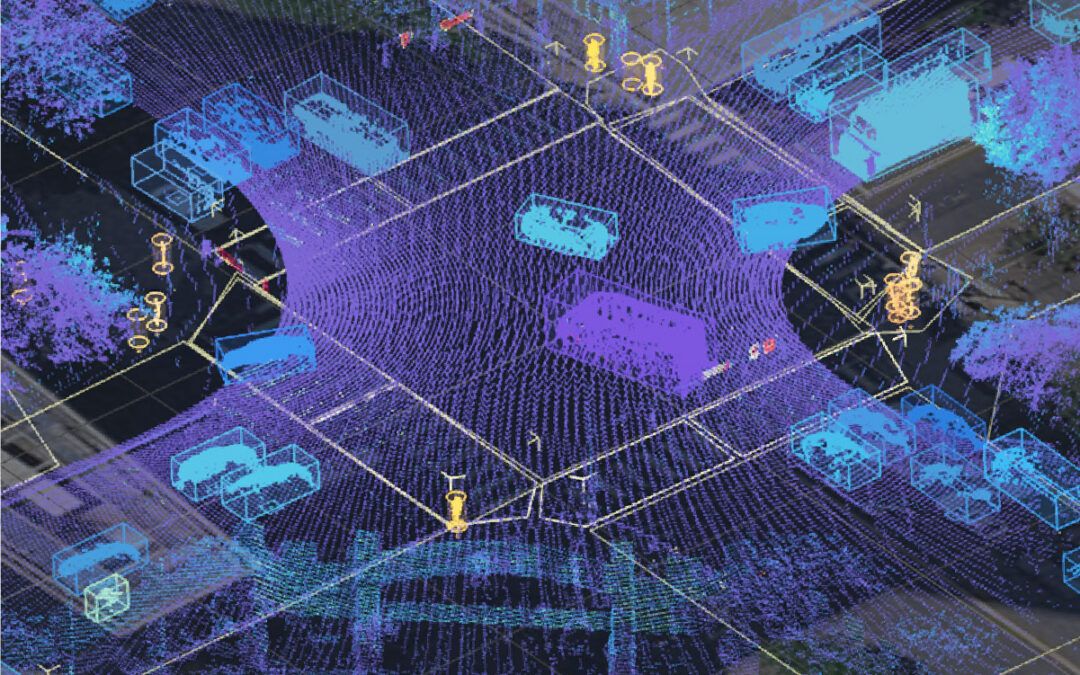
AI is giving transportation safety practitioners new ways to analyze data, detect near misses, and respond to risk before crashes happen. Real-world examples from Bellevue, WA and San Bernardino, CA show where AI-supported technology is delivering value—and where human judgment remains essential for turning data into responsible safety decisions.

by Fehr and Peers | Jul 29, 2026 | Insights, Resources
Making streets safer takes more than individual projects. Our new Safe System approach toolkit, developed through NCHRP Research Report 1181, helps agencies integrate safety into policies, budgets, design standards, and land use decisions. Explore practical tools, real-world case studies, and new IIHS Safe System success stories that show how agencies are turning safety into standard practice.

by Fehr and Peers | Jul 20, 2026 | Insights, News
What do San Francisco’s Van Ness BRT, New York’s congestion pricing, and Arlington’s intersection program have in common? Each pulls all three Safe System levers at once. We call that pattern a safety multiplier.
by Fehr and Peers | Jul 13, 2026 | News
As climate risk reshapes transportation planning, public agencies need strategies that connect resilience with everyday investment decisions. Marissa Aho, FAICP, brings decades of experience helping cities and regions turn climate risk into practical, fundable actions. Learn how her leadership expands our climate adaptation and resilience practice and strengthens the support we provide to communities.