
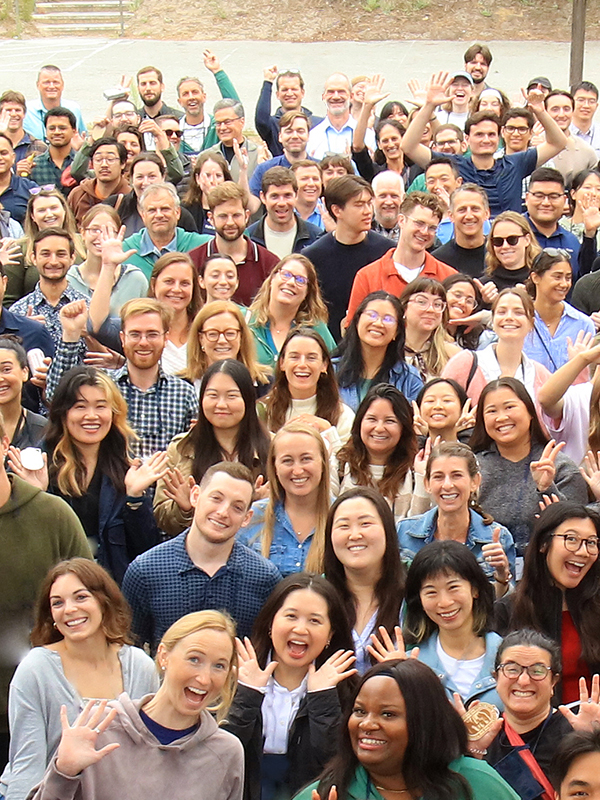
Career growth takes many forms. For some, it means developing new technical expertise. For others, it means taking on leadership responsibilities, building stronger client relationships, or finding new ways to contribute to project teams and communities.
This year, those efforts were recognized through 167 promotions across our firm—about 40% of our staff— including the 46 individuals below who have stepped into new roles as of July 2026.
Each promotion represents a personal accomplishment as well as the many ways our staff learn from, encourage, and support one another along the way.
Congratulations to our team members on this milestone! We’re grateful for the dedication, curiosity, and collaboration they bring to our work. We look forward to seeing the impact they continue to make in the years ahead.
Principal

Andy Kosinski
Oakland Office
15 years at Fehr & Peers

Cullen McCormick
DC Office
12 years at Fehr & Peers

Jeremiah LaRose
Los Angeles Office
12 years at Fehr & Peers

Paul Herrmann
Orange County Office
15 years at Fehr & Peers

Spencer Reed
San Diego Office
15 years at Fehr & Peers
Senior Associate

Amanda Chapman
Los Angeles Office
11 years at Fehr & Peers

Briana Calhoun
Portland Office
9 years at Fehr & Peers

Diwu Zhou
Riverside Office
10 years at Fehr & Peers

Jeff Pierson
Seattle Office
14 years at Fehr & Peers

Neil Smolen
San Francisco Office
2 years at Fehr & Peers
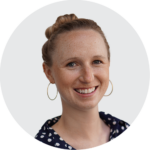
Taylor McAdam
San Francisco Office
9 years at Fehr & Peers

Tim Baird
Salt Lake City Office
8 years at Fehr & Peers
Associate

Angelica Rocha
San Francisco Office
3 years at Fehr & Peers

Jim Rabuco
Corporate Office
1 year at Fehr & Peers

Jordan Brooks
Oakland Office
9 years at Fehr & Peers

Mary Rose Fissinger
Los Angeles Office
3 years at Fehr & Peers

Michael Adamson
Salt Lake City Office
7 years at Fehr & Peers

Mike Johnstone
Los Angeles Office
27 years at Fehr & Peers
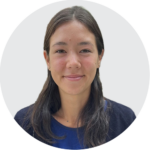
Molly Sun
Oakland Office
4 years at Fehr & Peers
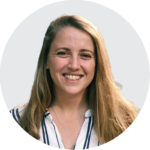
Sydney Provan
Denver Office
7 years at Fehr & Peers

Tory Gibler
DC Office
6 years at Fehr & Peers

William Edmonson
Roseville Office
9 years at Fehr & Peers

Zoey Zhang
San Francisco Office
6 years at Fehr & Peers
Senior Engineer/Planner

Amir Sadeghi
San Diego Office
4 years at Fehr & Peers

Amy Deng
Oakland Office
4 years at Fehr & Peers

Brian Wolfe
Orange County Office
3 years at Fehr & Peers
Charmelis Reyes
DC Office
3 years at Fehr & Peers

Danielle Caparas
Los Angeles Office
3 years at Fehr & Peers

David Moore
Sacramento Office
1 year at Fehr & Peers

Gavin Derleth
Los Angeles Office
2 years at Fehr & Peers

Gillian Zhao
Walnut Creek Office
4 years at Fehr & Peers

Jing Yang
San Jose Office
3 years at Fehr & Peers

Karina Carranza
Long Beach Office
3 years at Fehr & Peers

Kayla Gonzalez
Walnut Creek Office
4 years at Fehr & Peers

Kelsey Lindquist
Denver Office
3 years at Fehr & Peers

Maggie Ostwald
Denver Office
2 years at Fehr & Peers

Manvi Nigam
Oakland Office
4 years at Fehr & Peers

Matt Hastings
Salt Lake City Office
3 years at Fehr & Peers

Nina Price
San Francisco Office
4 years at Fehr & Peers

Raina Joby
Sacramento Office
3 years at Fehr & Peers

Stephen Spana
Orlando Office
5 years at Fehr & Peers

Yunjie Luo
Long Beach Office
4 years at Fehr & Peers
Senior Business Services

Grace Lee
Los Angeles Office
1 year at Fehr & Peers

Lex Blye
DC Office
4 years at Fehr & Peers

Thomas Wykoff
Corporate Office
4 years at Fehr & Peers

Zoe Rashid
Corporate Office
3 years at Fehr & Peers
share this article
Explore More
Cathleen Sullivan Joins Fehr & Peers
Our new Principal Cathleen Sullivan brings a practical, people-centered approach to transit and multimodal planning, helping Bay Area agencies turn complex ideas into progress.

Get a First Look at the Generative AI Policy Starter Kit
We helped develop a new Generative AI Policy Starter Kit through ITE. Explore the Quick Bite and ITE Journal article now, and stay tuned for the full kit.
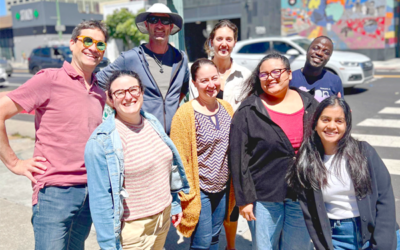
Intern Perspectives: A Summer in Transportation
What does a transportation internship actually look like? This summer, 25 interns across 14 of our offices gained hands-on experience with fieldwork, street design, GIS, data analysis, visual communication, client work, and community engagement. See what they learned, what surprised them, and how the experience shaped the way they think about careers in transportation.