
Celebrating Innovations from Our R&D Teams
Celebrating Innovations from Our R&D Teams
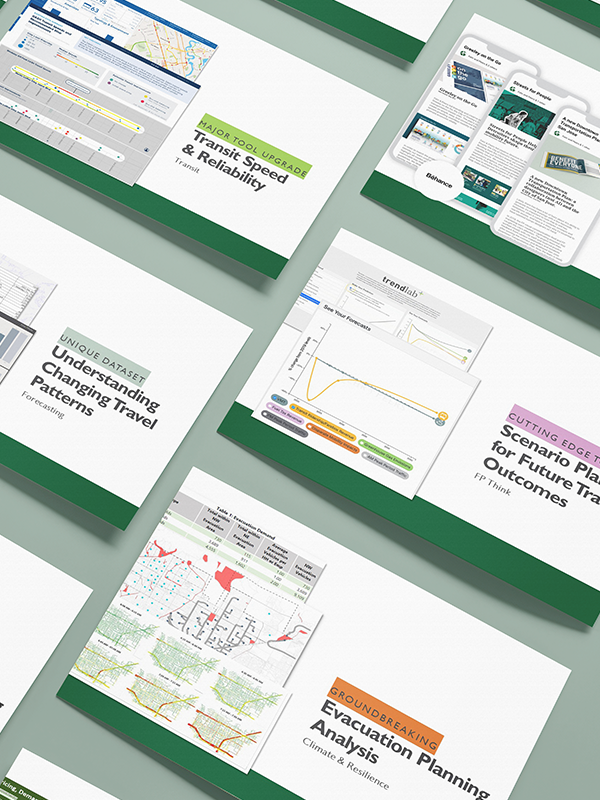
We are uniquely positioned to invest in cutting-edge research and development (R&D) and our engineers and planners are rapidly addressing the changing needs of our clients. Currently, we have 15 cross-disciplinary R&D teams. Their important efforts are routinely celebrated internally, spotlighting the talented minds behind them.
Here we’re sharing six 30-second examples to give you a flavor of what’s going on and what we’re seeing across the firm. If you’re interested, connect with our contributors for deeper insights.
Transit Speed & Reliability
Email Jeremiah LaRose to Learn More
Email John Gard to Learn More
Email Cullen McCormick to Learn More
Email Yoyo Zeng to Learn More
Email Chelsea Richer to Learn More
Email Matt Haynes to Learn More
Looking for more insights?
share this article
Contributors

Jeremiah LaRose
Transit Discipline Leader
Email Me

John Gard
Parking, Land Use and Transportation Leader
Email Me

Cullen McCormick
Creative Studio Leader
Email Me

Yoyo Zeng
Senior Planning and Forecasting Discipline Member
Email Me

Chelsea Richer
Climate & Resilience Discipline Leader
Email Me

Matt Haynes
FP Think Innovative Leader
Email Me
Explore More
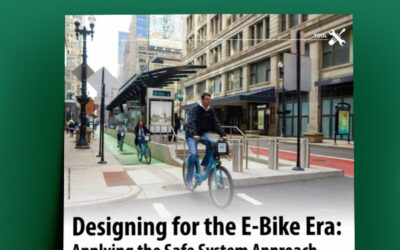
E-Bike Safety Takes More Than Regulation
E-bikes can replace longer car trips and reduce vehicle miles traveled, but regulating devices alone won’t make riding safer. A September 2026 ITE Journal article applies the Safe System Approach to show why communities need both connected, low-stress networks and effective policies.

The Generative AI Policy Starter Kit is Here
We helped develop a new Generative AI Policy Starter Kit for agencies, firms, and other organizations developing or refining their own AI guidance. Explore it through a Quick Bite, ITE Journal article, and online resource.
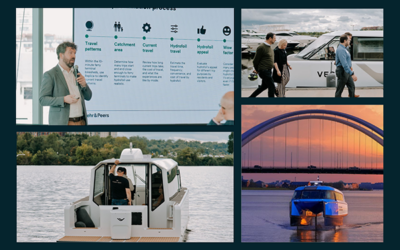
What Hydrofoil Service Could Look Like in Washington, DC
Could electric hydrofoils offer a faster way to travel between waterfront neighborhoods in Washington, DC? Our feasibility study found potential ridership demand and tested how routes, fares, and service frequency could shape a future pilot. The approach also offers a way for other communities to evaluate emerging transportation ideas before committing significant resources.