
Congratulating Our Newest Shareholders

Congratulating Our Newest Shareholders
Employees reach this milestone through different paths shaped by their unique expertise and contributions. What they share is a proven dedication to delivering thoughtful, high-quality work for clients, supporting their colleagues, and strengthening the communities where we practice.
These new shareholders embody the entrepreneurial mindset and collaborative approach that allow our firm to anticipate challenges, adapt to change, and serve as a trusted partner over the long term.
We congratulate our newest shareholders and thank them for the leadership they bring to our clients, our firm, and the future of Fehr & Peers.
Our New Shareholders for 2026

Ian Barnes, PE
Walnut Creek Office
14 years at Fehr & Peers

Sarah Chan, PE, TE
Walnut Creek Office
15 years at Fehr & Peers

Adrian Engel, PE
Roseville Office
9 years at Fehr & Peers
Interested in working for a company that encourages your personal and professional growth?
share this article
Explore More
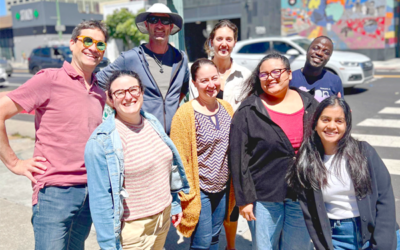
Intern Perspectives: A Summer in Transportation
What does a transportation internship actually look like? This summer, 25 interns across 14 of our offices gained hands-on experience with fieldwork, street design, GIS, data analysis, visual communication, client work, and community engagement. See what they learned, what surprised them, and how the experience shaped the way they think about careers in transportation.
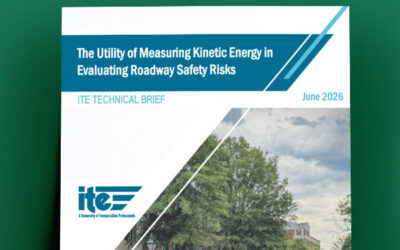
Looking at Street Safety Through the Lens of Kinetic Energy
This ITE Technical brief explores how kinetic energy can add another dimension to roadway safety analysis, helping practitioners consider where conditions for serious harm may exist even before severe crash patterns emerge.
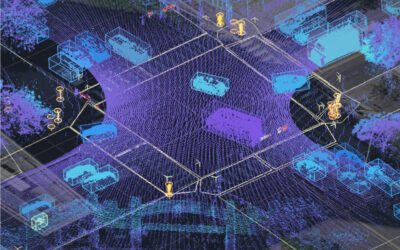
Understanding AI’s Role in Transportation Safety
AI is giving transportation safety practitioners new ways to analyze data, detect near misses, and respond to risk before crashes happen. Real-world examples from Bellevue, WA and San Bernardino, CA show where AI-supported technology is delivering value—and where human judgment remains essential for turning data into responsible safety decisions.