
A New Focus on Climate & Congestion

A New Focus on Climate & Congestion

You want to travel freely.
Today, less than 35% of vehicle seats are filled on urban freeways during peak hours even though demand overwhelms available capacity. As public infrastructure, this level of efficiency raises questions about whether the roadway space is being wisely used. It also raises questions about how performance is traditionally measured.

Everyone wants to travel freely.
Freeways are often described as having problems when they are congested due to slow speeds instead of having too many unfilled seats. To some degree, this outcome is a result of cultural preferences for driving personal vehicles. This preference rates high on personal freedom, comfort, and convenience, but low on efficient use of the limited public roadway supply. If greater efficiency of the roadway network is desirable (i.e., more seats occupied) to improve travel reliability and reduce adverse travel effects such as delay, wasted fuel and air pollution, then demand management is essential.

Managing travel demand helps.
Demand management can include a range of strategies from how roadways are operated and controlled to behavioral incentives that influence when and how much people travel and by what modes. These strategies often require some tradeoffs between personal travel freedom and greater network efficiency or utilization. How to balance these tradeoffs is the essential question facing the public agencies that operate our roads.
share this article
Explore More

Telework and VMT
Does working remotely mean we are driving less? The answer might surprise you.
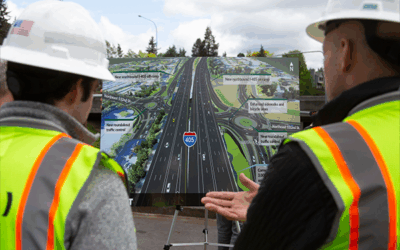
A New Way To Build Transportation Capacity
Learn how a coalition of jurisdictions and community groups in Washington State pioneered a large-scale multimodal transportation planning approach that has improved highway capacity over the last twenty years and continues to guide future investments.
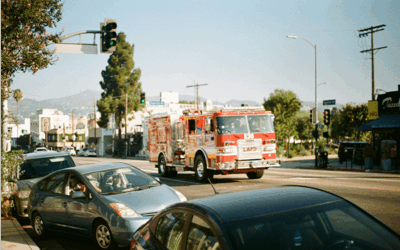
Evacuation Travel Time Analysis
The ability for a community to evacuate quickly continues to be a top priority for agency staff in California. Learn about our Climate Group’s proactive research to address new CEQA requirements for producing evidence-based evacuation travel time analysis for land use projects.