
A New Focus on Climate & Congestion

A New Focus on Climate & Congestion

You want to travel freely.
Today, less than 35% of vehicle seats are filled on urban freeways during peak hours even though demand overwhelms available capacity. As public infrastructure, this level of efficiency raises questions about whether the roadway space is being wisely used. It also raises questions about how performance is traditionally measured.

Everyone wants to travel freely.
Freeways are often described as having problems when they are congested due to slow speeds instead of having too many unfilled seats. To some degree, this outcome is a result of cultural preferences for driving personal vehicles. This preference rates high on personal freedom, comfort, and convenience, but low on efficient use of the limited public roadway supply. If greater efficiency of the roadway network is desirable (i.e., more seats occupied) to improve travel reliability and reduce adverse travel effects such as delay, wasted fuel and air pollution, then demand management is essential.

Managing travel demand helps.
Demand management can include a range of strategies from how roadways are operated and controlled to behavioral incentives that influence when and how much people travel and by what modes. These strategies often require some tradeoffs between personal travel freedom and greater network efficiency or utilization. How to balance these tradeoffs is the essential question facing the public agencies that operate our roads.
share this article
Explore More
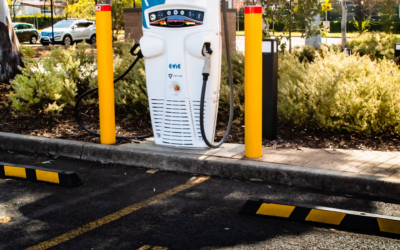
The Impact of Vehicle Electrification on Safety
What impact will the push for more electric vehicles have on road safety? Explore the potential clashes and opportunities in our latest blog.

Investing in Relationships
Investing in and empowering one another is at the core of our mission. Check out reflections from some of our recent mentoring program participants to see how their careers and relationships were impacted.
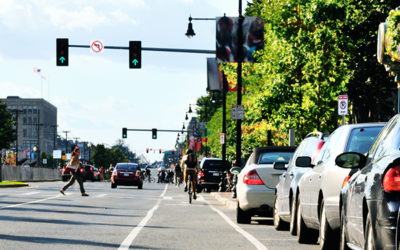
The Safe System Approach in Local Road Safety Plans
We invite you to explore the new ITE technical brief that provides insights on integrating the Safe System Approach into Local Road Safety Plans while meeting grant requirements and working towards achieving Vision Zero.