
Professional Growth Amid a Pandemic

Professional Growth Amid a Pandemic
Congratulations to these staff members on their new certifications and licenses. We are inspired by your dedication and the knowledge, expertise, and innovation you bring to our firm.
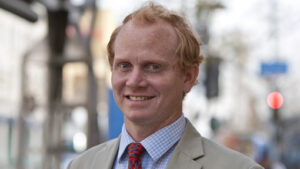
Matt Benjamin
Orange County Office
Road Safety Professional
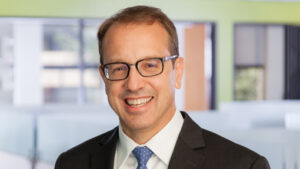
Rodney Brown
Sacramento Office
Road Safety Professional
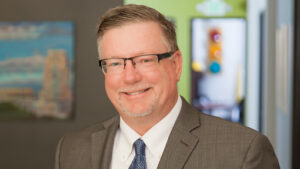
John Gard
Roseville Office
Road Safety Professional
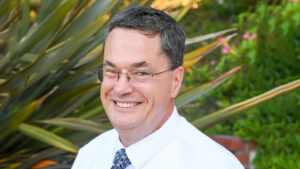
Rob Rees
Oakland Office
Road Safety Professional
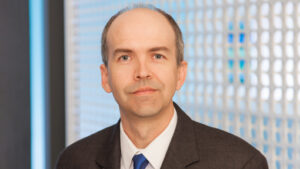
Dave Stanek
Sacramento Office
Road Safety Professional
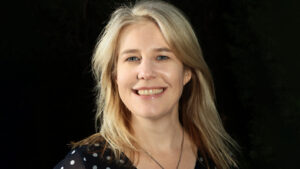
Kathrin Tellez
Orlando Office
Road Safety Professional
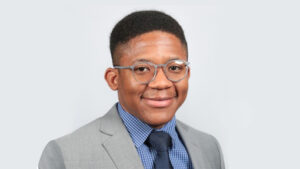
Tino Jonga
Seattle Office
Envision Sustainability Professional
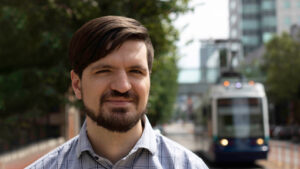
Daniel Dye
Tacoma Office
Licensed Civil Engineer New State: WA
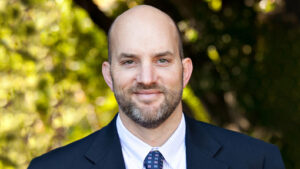
Josh Peterman
Walnut Creek Office
Licensed Civil Engineer New State: MA
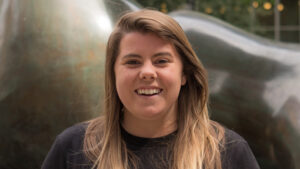
Chelsea Dyess
Seattle Office
AICP

Saima Musharrat
Orange County Office
AICP
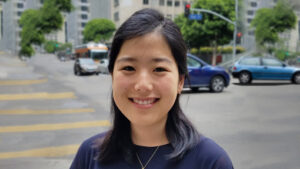
Ribeka Toda
Los Angeles Office
Licensed Civil Engineer New State: CA
share this article
Explore More
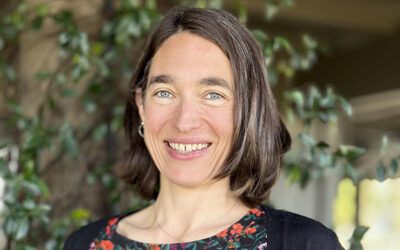
Cathleen Sullivan Joins Fehr & Peers
Our new Principal Cathleen Sullivan brings a practical, people-centered approach to transit and multimodal planning, helping Bay Area agencies turn complex ideas into progress.

Get a First Look at the Generative AI Policy Starter Kit
We helped develop a new Generative AI Policy Starter Kit through ITE. Explore the Quick Bite and ITE Journal article now, and stay tuned for the full kit.
Intern Perspectives: A Summer in Transportation
What does a transportation internship actually look like? This summer, 25 interns across 14 of our offices gained hands-on experience with fieldwork, street design, GIS, data analysis, visual communication, client work, and community engagement. See what they learned, what surprised them, and how the experience shaped the way they think about careers in transportation.